
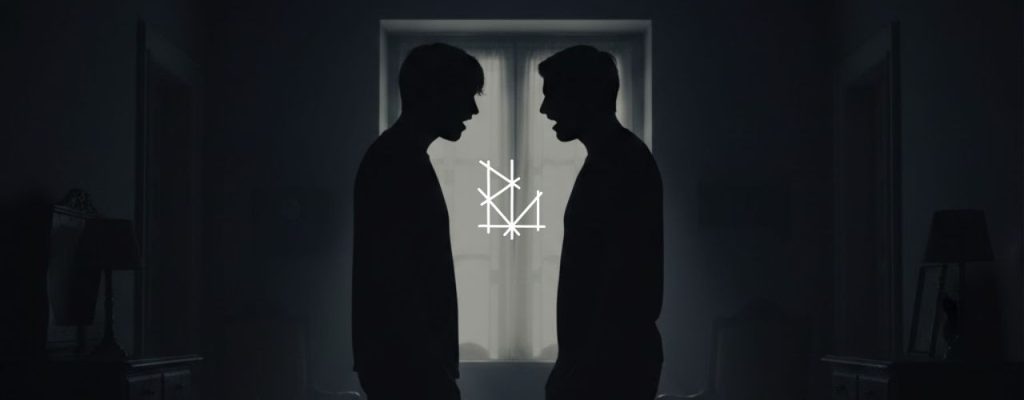
Creating dread through dialogue is one of the most powerful tools in horror, suspense, and psychological terror. Often, what truly unsettles the reader is not what characters say, but what they deliberately avoid saying.
In dark fiction, silence is never empty. It vibrates with implication, threat, and unseen consequences. When dialogue withholds information, the reader becomes an unwilling participant, filling the gaps with their own fears.
Creating Dread Through Dialogue and the Power of Silence
Creating dread through dialogue relies on restraint. Characters speak around the truth instead of confronting it. This technique mirrors real human fear we hesitate, we deflect, and we avoid naming what terrifies us.
Silence in dialogue suggests that something exists beyond language. In horror, that unspeakable presence often feels more dangerous than explicit description.
Moments like this force the reader to pause. The interruption becomes an invitation for imagination, and imagination is where terror thrives.
What Is Left Unsaid Creates Psychological Horror
When dialogue avoids naming the threat, the mind constructs its own version of it. This is a cornerstone of psychological horror and supernatural fiction.
Instead of explaining the event, characters may react emotionally fear, denial, anger without context. The absence of explanation amplifies dread.
- Characters interrupting themselves
- Vague warnings that lack detail
- Questions answered with silence or deflection
- Conversations that end too early
These techniques create tension without exposition, allowing terror to grow organically.
Dialogue as a Tool for Supernatural and Cosmic Terror
In supernatural and cosmic horror, dialogue often fails because language itself is insufficient. Characters sense something vast, alien, or wrong, but lack the words to define it.
This aligns with stories where horror exists beyond human comprehension, a theme deeply explored in modern terror literature and in works like horror rooted in psychological collapse.
When characters refuse or fail to articulate what they witnessed, the reader feels the scale of the unknown.
Why This Technique Keeps Readers Hooked
Creating dread through dialogue transforms the reader into a co author of fear. The story does not explain it suggests. The unanswered question lingers long after the scene ends.
This approach strengthens suspense, deepens mystery, and sustains an atmosphere of unease that carries through the entire narrative.
Many dark narratives and books of terror and suspense rely on this exact strategy to maintain psychological pressure.
I invite you to check my books
Orto https://www.amazon.com.br/Orto-English-Raphael-T-Maio-ebook/dp/B0FWMN6KZJ?ref_=ast_author_mpb
Grake Hills https://www.amazon.com.br/Welcome-Grake-English-Raphael-Trindade-ebook/dp/B08JRY74FG?ref_=ast_author_dp&th=1&psc=1