
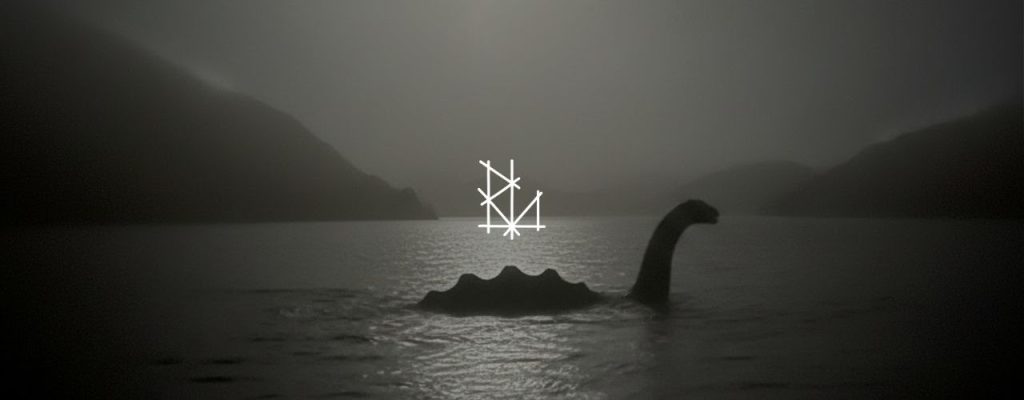
The Loch Ness Monster and Its Deep-Sea Horror Potential
Few legends linger in the human imagination like the Loch Ness Monster. More than a folkloric curiosity, Nessie represents something far darker a deep-sea horror archetype rooted in fear of what lies unseen beneath still waters.
This is not merely a story about a creature. It is about the psychological terror of depths, silence, and the ancient sensation that something colossal watches from below.
The Loch Ness Monster as a Deep-Sea Horror Entity
When examined through the lens of horror literature, the Loch Ness Monster aligns less with cryptozoology and more with deep-sea terror.
The lake itself functions as a closed abyss dark, cold, and unknowable. Unlike open oceans, Loch Ness traps the imagination. There is no horizon to escape the thought that something ancient remains below.
- Light barely penetrates its depths
- Sonar readings remain inconclusive
- Its silence feels intentional
Why Deep Waters Amplify Horror
Deep water horror taps into primal fear. Humans evolved to fear what cannot be seen, measured, or understood. In this sense, the Loch Ness Monster becomes a symbol of submerged terror.
Unlike surface threats, abyssal entities do not chase. They wait. That waiting is what unsettles the mind.
The Psychological Impact of Submerged Unknowns
Psychologically, submerged horror removes agency. The observer stands helpless above a void. The water hides movement, scale, and intention.
This mirrors many themes found in terror narratives where fear is not what attacks but what waits.
The Loch Ness Monster and Cosmic Horror Parallels
From a cosmic horror perspective, Nessie does not need explanation. In fact, explanation diminishes its power.
The most unsettling interpretation is not that it is a surviving prehistoric creature, but something older something that predates classification.
A Living Threshold Between Worlds
In dark fiction, bodies of water often act as thresholds. Crossing them means exposure to the unknown.
The Loch Ness Monster fits perfectly within supernatural symbolism a guardian of depth, memory, and forgotten epochs.
Why the Legend Refuses to Die
Despite modern technology, the legend persists. That endurance suggests the monster fulfills a narrative need.
It embodies:
- The fear of unseen predators
- The terror of silent observation
- The anxiety of ancient things awakening
This is why the Loch Ness Monster continues to inspire modern horror fiction and dark drama.
If this exploration of deep-sea terror resonates with you, I invite you to check my books.