
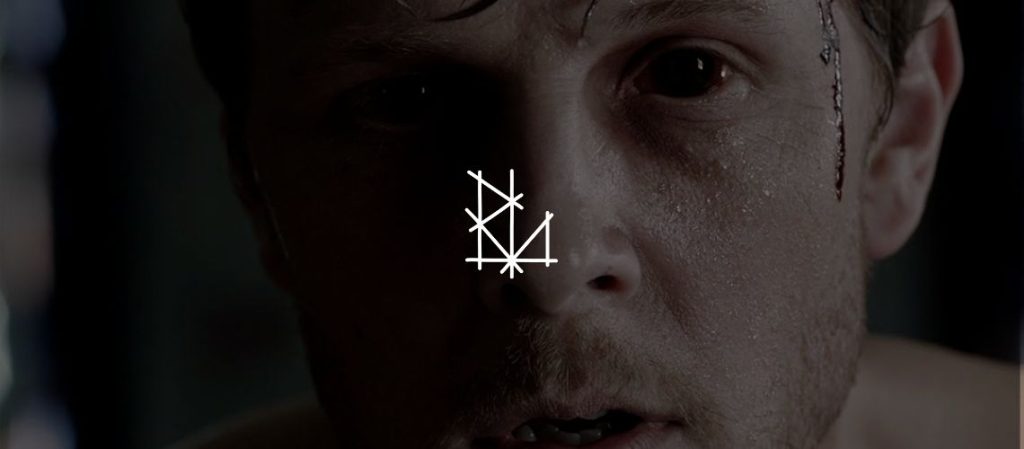
This terror-leaning breakdown is a The Possession of Michael King psychological analysis focused on trauma, not just the supernatural surface. What if Michael’s “haunting” is less an outside invasion and more the inevitable consequence of an inner collapse that grief has been patiently building?
The Possession of Michael King Psychological Analysis: The Void of Loss
Michael’s skepticism looks like strength at first glance. But in a trauma lens, it reads like armor. After his wife’s death, “nothing exists” becomes a strategy, not a conclusion. If the universe is empty, then her absence is only an accident, not a sentence and not a failure of meaning.
This is the catalyst: grief creates a vacuum, and the mind rushes to seal it. Michael’s investigation is not a brave search for truth. It is a desperate attempt to control a reality that has become unbearable.
- Skepticism as defense: disbelief protects him from hope, and hope risks pain.
- Certainty as anesthesia: if everything is meaningless, then guilt has nowhere to land.
- Control obsession: he tries to prove the world is safe by proving it is empty.
The Possession of Michael King Psychological Analysis: Possession as a Metaphor for Depression
Read as psychological horror, the “possession” behaves like a breakdown. The film’s escalating symptoms mirror how grief can deform perception, identity, and relationships when it is forced into silence.
The Voices: Intrusive Thoughts Wearing a Supernatural Mask
The whispers and disruptions can be interpreted as intrusive thoughts: fragments of blame, fear, and self-interrogation that repeat until they feel external. In deep mourning, the mind becomes a hostile narrator. Not because it is “possessed” but because it is wounded.
Physical Decline: When Inner Pain Starts to Leak Into the Body
As the story darkens, the body becomes a billboard for what Michael refuses to speak. The horror is not in graphic spectacle. It is in the suggestion that a person can be consumed from the inside out by despair, sleep loss, panic, and self-directed contempt.
Isolation: Grief as an Entity That Separates You From the Living
Notice how the spiral cuts him off from the people who still anchor him, especially his daughter. This is what depression does best: it convinces you you are alone, then punishes you for being alone, then calls it fate.
The Ritual of Self-Destruction: Inviting Chaos to Fill the Empty Room
Instead of a classic exorcism arc, the film can be read as a ritual of collapse. Michael doesn’t just “summon” something. He creates the perfect conditions for ruin because the grief has hollowed out his sense of worth. When meaning dies, danger stops looking dangerous.
In that reading, the entity is less a demon with a plan and more the shape grief takes when it is denied. A soul emptied by sorrow becomes easy to occupy, by obsession, by guilt, by any force that promises an explanation.
- He courts the unknown because the known world already failed him.
- He chooses escalation because numbness feels like truth.
- He becomes a case study in how belief and grief can fuse into obsession.
The Horror of Being Left Behind: When Grief Becomes a Doorway
The film’s lasting dread is not “what is real” but what grief can do when it remains unresolved. The terror is the realization that sorrow is not passive. It moves. It adapts. It learns your habits. And if you refuse to live with your ghosts, they find a way to speak through you.
That is why this story hits harder than many loud horror premises. It suggests the most dangerous presence is the one you keep feeding in secret.
What to Watch For (Psychological Lens Checklist)
- Where skepticism looks less like logic and more like emotional avoidance.
- Moments when “evidence” functions as self-punishment instead of discovery.
- How isolation grows, and how relationships become collateral damage.
- How the supernatural imagery mirrors an internal deterioration.
If you like horror that feels intimate, bleak, and uncomfortably human, this kind of reading pairs well with stories built around obsession, ritual, and psychological fracture. If you want more sobrenatural dread with a slow-burn spiral, you will probably feel at home in my work too.
I invite you to check my books