
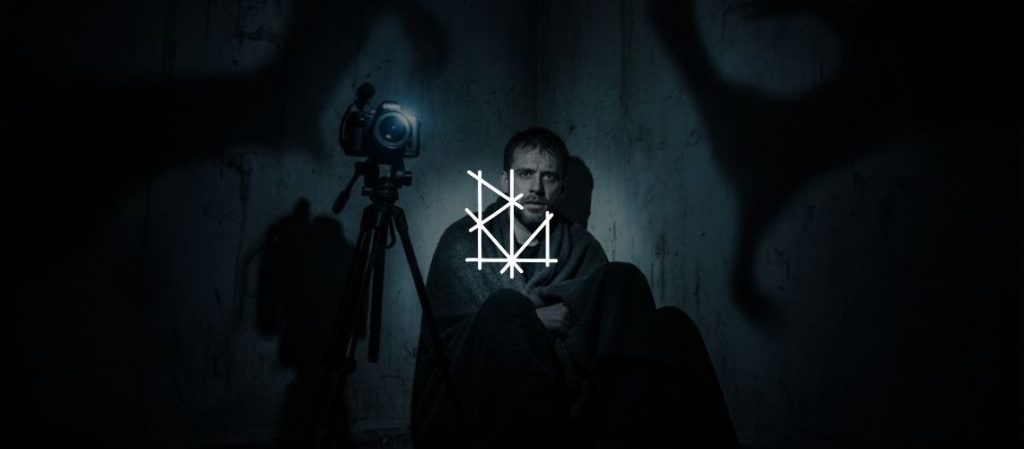
Body horror is not simply about grotesque imagery. Body horror is about the terror of transformation, the slow erosion of identity, and the intimate collapse of the human form. It forces the reader to confront biological decay not as spectacle, but as inevitability.
To write effective body horror, you must understand that the body is more than flesh. It is memory, control, pride, shame, and self perception. When the body changes against the will of the character, horror is born from helplessness.
What Is Body Horror in Literature
Body horror is a subgenre of horror fiction that focuses on physical transformation, mutation, infection, and biological decay. Unlike external threats, this form of horror turns inward. The antagonist is often the body itself.
Common elements include:
- Uncontrollable mutations
- Infection and parasitic intrusion
- Skin rupture and internal exposure
- Metamorphosis that distorts humanity
- Loss of bodily autonomy
Writing Transformation Without Losing Psychological Depth
The most effective body horror stories do not rush the transformation. Instead, they allow the decay to unfold slowly. A finger that no longer bends correctly. A reflection that moves half a second too late. Skin that feels too tight.
Biological decay must mirror psychological collapse. As the body deteriorates, so does certainty. The character questions perception, memory, and reality itself.
The Fear of Losing Control
Transformation is terrifying because it strips agency. The character does not choose the mutation. It happens in silence, beneath the skin. This loss of control connects deeply with existential dread, a core element of psychological horror.
In works such as Orto, the internal fracture often precedes the physical manifestation. The body becomes a reflection of buried trauma and supernatural forces.
Biological Decay as Metaphor in Horror
Biological decay in horror fiction often represents:
- Fear of aging
- Fear of disease
- Loss of identity
- Social alienation
- Cosmic insignificance
When the transformation is gradual, readers are forced into complicity. They witness the progression and cannot intervene. This silent witnessing intensifies the horror.
Pacing the Physical Collapse
Avoid immediate monstrosity. Instead:
- Introduce subtle discomfort first
- Escalate symptoms gradually
- Blend hallucination with reality
- Allow denial before acceptance
In Bem-vindos a Grake Hills, transformation is often atmospheric before becoming physical. The town itself mutates perception before it touches flesh.
Why Body Horror Remains So Disturbing
Body horror unsettles because it removes the illusion of permanence. The body, which should be familiar, becomes foreign territory. The skin no longer feels like home.
This is where horror transcends shock value. It becomes intimate. It becomes existential. It becomes personal.
I invite you to check my books
Orto https://www.amazon.com.br/Orto-English-Raphael-T-Maio-ebook/dp/B0FWMN6KZJ?ref_=ast_author_mpb
Grake Hills https://www.amazon.com.br/Welcome-Grake-English-Raphael-Trindade-ebook/dp/B08JRY74FG?ref_=ast_author_dp&th=1&psc=1