
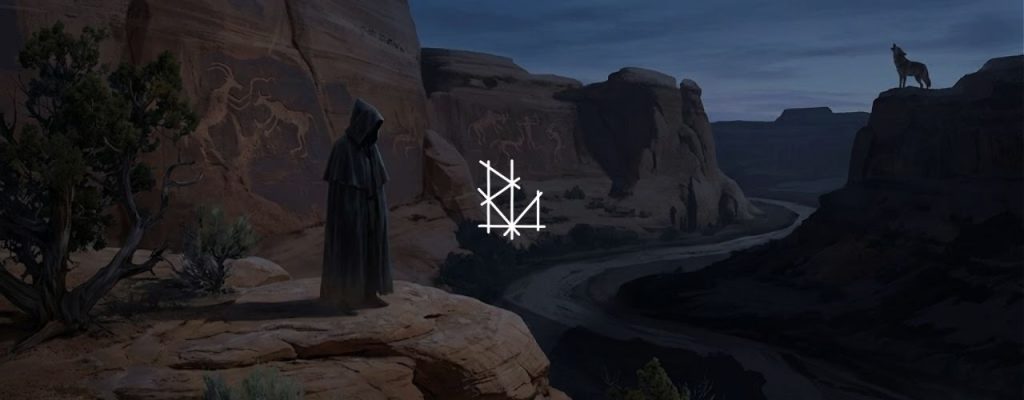
Skinwalkers: The Forbidden Lore of the American Southwest
Skinwalkers are among the most feared and misunderstood entities in American folklore, deeply rooted in supernatural belief systems of the Southwest.
This legend is not a modern invention or internet myth. It emerges from sacred traditions, cultural taboos, and whispered warnings that persist across generations.
Understanding Skinwalkers requires stepping into forbidden knowledge, where fear is not entertainment but survival.
What is a Skinwalker?
A Skinwalker is a malevolent shapeshifter from Navajo folklore capable of transforming into animals or mimicking human forms.
Known as yee naaldlooshii, meaning “with it, he goes on all fours,” the Skinwalker is associated with witchcraft, taboo rituals, and moral corruption.
Unlike mythical creatures created for stories, Skinwalkers are considered real threats within traditional belief systems.
Where did the Skinwalker legend originate?
The Skinwalker legend originates from Navajo cosmology and spiritual law.
These beings are believed to be humans who chose a path of darkness, breaking sacred rules in exchange for power.
Speaking openly about them is often discouraged, as naming them is believed to attract their attention.
What abilities are attributed to Skinwalkers?
Skinwalkers are said to possess abilities that defy natural law.
- Shapeshifting into animals such as wolves, coyotes, bears, or owls
- Mimicking human voices, often of loved ones
- Enhanced speed, strength, and endurance
- Psychological manipulation and fear induction
These abilities make them more than physical threats. They represent psychological and spiritual danger.
Why are Skinwalkers associated with fear and silence?
Skinwalkers symbolize the consequences of moral transgression and spiritual decay.
Fear surrounding them is not just about physical harm, but about corruption of identity and trust.
Many reports describe encounters where the terror comes from recognition rather than attack.
Are Skinwalkers part of modern horror culture?
Yes. Skinwalkers have been absorbed into modern terror narratives, often stripped of their original cultural context.
However, authentic representations maintain their role as forbidden knowledge rather than spectacle.
They appear in literature, films, and psychological horror as symbols of identity loss and existential dread.
Frequently Asked Questions about Skinwalkers
Are Skinwalkers real?
Within Navajo belief systems, Skinwalkers are considered real spiritual threats, not metaphorical creatures.
Can a Skinwalker imitate a human voice?
Yes. Mimicry is one of their most reported abilities, often used to lure victims into isolation.
Why should people avoid talking about Skinwalkers?
Traditional belief holds that speaking of them can invite misfortune or draw their attention.
Skinwalkers remain one of the darkest examples of how folklore, belief, and psychological fear intertwine. Their power lies not in what they do, but in what they represent.
To learn more about how [COMPANY] can help your business with [TOPIC], contact us
I invite you to check my books
Orto https://www.amazon.com.br/Orto-English-Raphael-T-Maio-ebook/dp/B0FWMN6KZJ?ref_=ast_author_mpb
Grake Hills https://www.amazon.com.br/Welcome-Grake-English-Raphael-Trindade-ebook/dp/B08JRY74FG?ref_=ast_author_dp&th=1&psc=1