
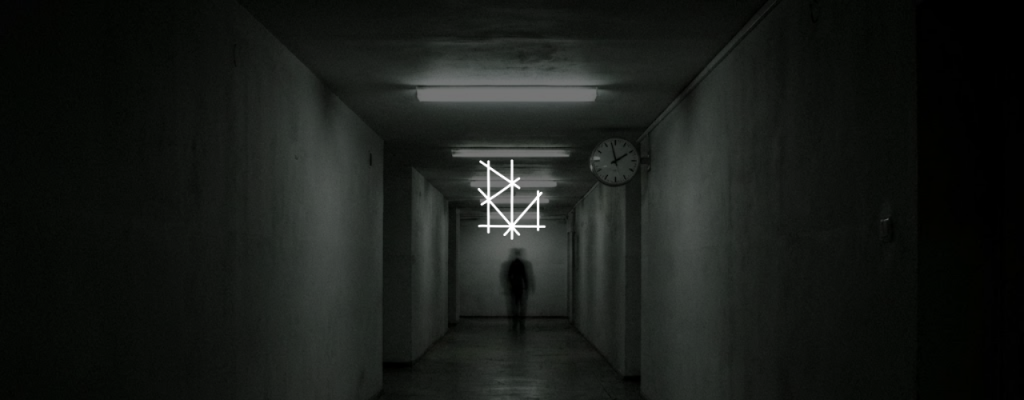
Building suspense through pacing: a arquitetura do medo
Building suspense through pacing is not about speed.
It is about pressure.
Fear does not emerge when everything happens at once. It grows when the reader feels time stretching, tightening, and refusing to move forward. The architecture of fear is built slowly, layer by layer, until the mind begins to anticipate danger even in silence.
This article explores how building suspense through pacing manipulates attention, emotion, and expectation to create lasting psychological horror.
What building suspense through pacing really means
When writers think about suspense, they often think about plot twists or shocking events. But building suspense through pacing is about controlling how long the reader waits and what they are allowed to know while waiting.
Effective pacing does not rush the fear.
It restrains it.
Suspense lives in:
- Delayed information
- Prolonged moments of uncertainty
- Scenes where nothing happens, but something feels imminent
The reader becomes trapped inside anticipation.
Building suspense through pacing by slowing the narrative
Slowness creates vulnerability
In horror, speed offers relief. Slowness removes it.
When scenes stretch beyond comfort, the reader becomes hyper-aware of every detail. This is where building suspense through pacing becomes a psychological weapon.
Use:
- Extended descriptions of ordinary actions
- Repetition of small, unsettling details
- Moments where characters wait, listen, or hesitate
The fear is not in the action. It is in the delay.
The role of silence in building suspense through pacing
Silence is not empty space.
It is pressure without release.
In building suspense through pacing, silence allows the reader’s mind to fill the gap with threat. The longer the silence lasts, the darker those imagined outcomes become.
Silence can appear as:
- Dialogue abruptly stopping
- Paragraph breaks after disturbing thoughts
- Scenes ending before resolution
What is left unsaid lingers longer than any description.
Pacing as a tool to destabilize the reader
Unbalanced rhythm creates discomfort
A steady rhythm feels safe. Horror demands disruption.
One of the most effective ways of building suspense through pacing is alternating between slow scenes and sudden narrative compression.
For example:
- Long passages of observation
- Followed by short, blunt sentences
- Then returning to slowness again
This instability mirrors anxiety and keeps the reader emotionally off-balance.
Building suspense through pacing without showing the threat
The most enduring fear often comes from what is never fully revealed.
By withholding the source of danger, building suspense through pacing allows tension to grow without resolution.
This works because:
- The mind invents something worse than text can describe
- Ambiguity keeps fear alive after the scene ends
- The reader becomes complicit in creating the supernatural
The monster does not need to appear. Its absence is enough.
Why pacing-based horror stays with the reader
Fast horror shocks.
Slow horror stains.
Stories that master building suspense through pacing do not end when the final sentence is read. They persist because the fear was internalized, not witnessed.
The reader remembers:
- The waiting
- The silence
- The unease
Not a single image, but a sustained emotional state.
The architecture of fear is invisible by design
True suspense does not announce itself.
It settles quietly and refuses to leave.
If you are drawn to stories where fear grows through atmosphere, rhythm, and psychological erosion rather than spectacle, there are narrative worlds built entirely on this foundation.